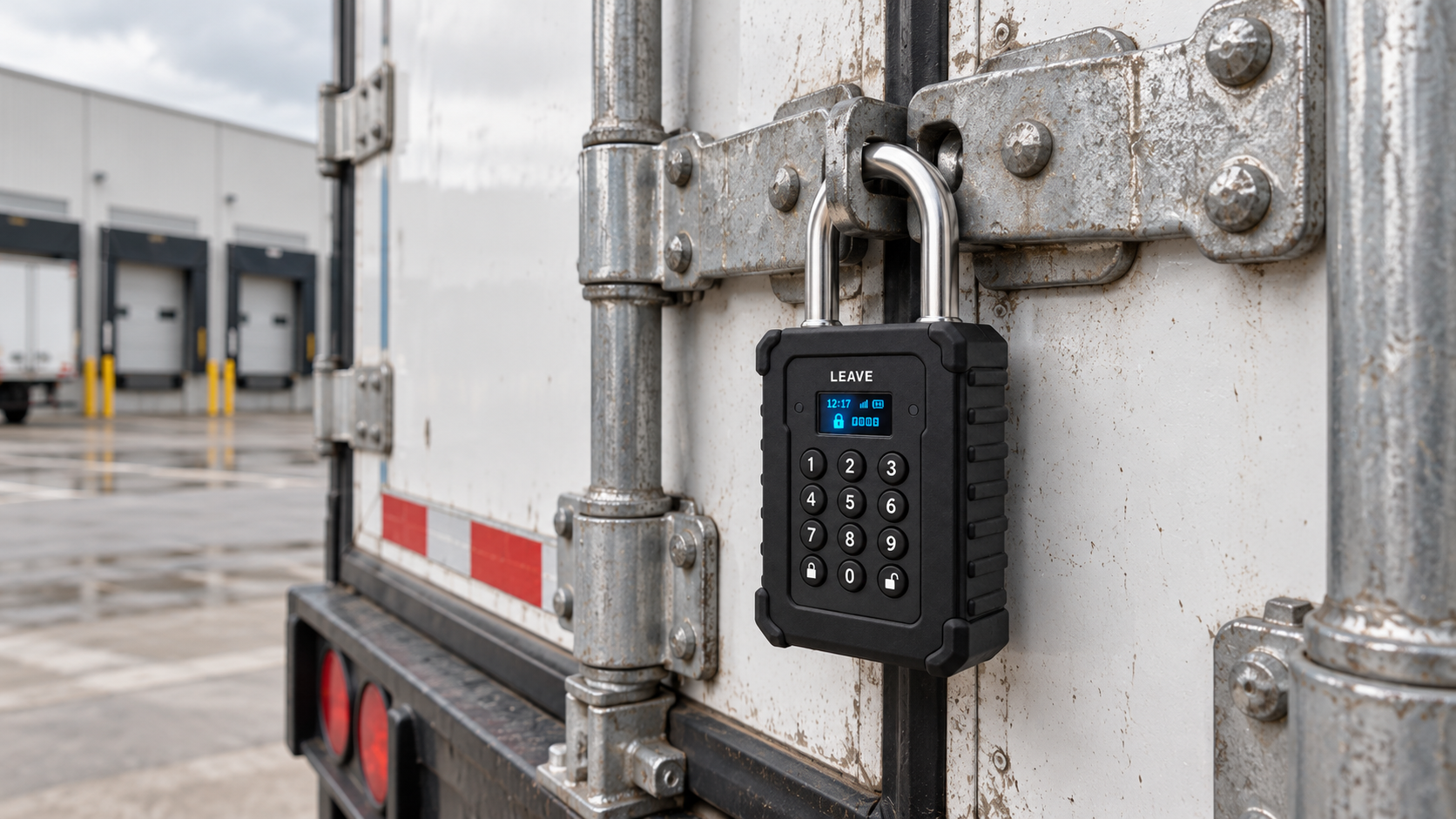
Long journeys, many handovers: using GPS ELocks to monitor containers across borders
Cross-border shipments pass through roads, yards, ports and destination warehouses. Linking position, lock state and operations provides reviewable information across those stages. Deployment also needs a realistic plan for network compatibility, power and field access.
The export example describes a typical workflow, not a customer project or a promise of uninterrupted connectivity.
Three things to take away
- A device travelling with the cargo carrier can connect road, yard and destination records.
- Satellite positioning and data transmission are different: GPS does not imply offshore connectivity.
- Plan battery use, installation, coverage and temporary inspection procedures for the complete task.
Cross-border transport continually changes operating conditions
A container may leave a factory by truck, wait in a terminal, travel by sea and continue from the destination port with a local carrier. The responsible team, network and field conditions can change at every stage.
Booking, gate-in and arrival messages are useful, but do not necessarily explain the cargo-access condition between milestones. Binding an ELock to the container and task preserves a common device reference for reviewing state changes.
A tracker fixed to a vehicle describes that vehicle. Once the container leaves it, another information source is needed. An ELock fitted to the container can travel with it and provide supported status information while correctly installed, powered and connected.
Cross-border workflow
Transport modes change. The container reference stays connected.
- Factory departureBind the container and sealing task
- Road and terminalReview position, lock state and battery
- Stage transitionCheck coverage and latest report time
- Destination deliveryInspect the seal and record handover
Connect the stages and plan for coverage
Factory sealing can be associated with the departure task, yard stops reviewed with state changes and destination inspection matched to the unlock record. Staff continue reviewing the same container and device when the transport mode changes.
GPS positioning and cellular transmission are separate functions. A cellular ELock should not be assumed to remain online throughout an ocean crossing. Check regional bands, SIM services, roaming and the device/platform support for offline records before deployment.
Distinguish event time, platform receipt time and the most recent report. When connectivity is unavailable, show the last available information with its timestamp rather than presenting it as live. Confirm actual storage and upload behaviour against the delivered device and protocol.
What to check before a cross-border deployment
| Area | Check | Operating plan |
|---|---|---|
| Journey stages | Factory, road, yard, sea and destination | Identify each owner and available information |
| Connectivity | Bands, SIM, roaming and coverage | Confirm offline behaviour and timestamp display |
| Power and mounting | Duration, reporting, shading and sunlight | Arrange battery checks and charging |
| Temporary inspection | Request, approval, access and resealing | Retain the reason, operation and subsequent state |
A long journey is also a power-management task
The operating plan must cover terminal waiting, unexpected delays and return movements as well as normal driving. Reporting frequency, network conditions, unlock activity and the environment all affect the required power margin.
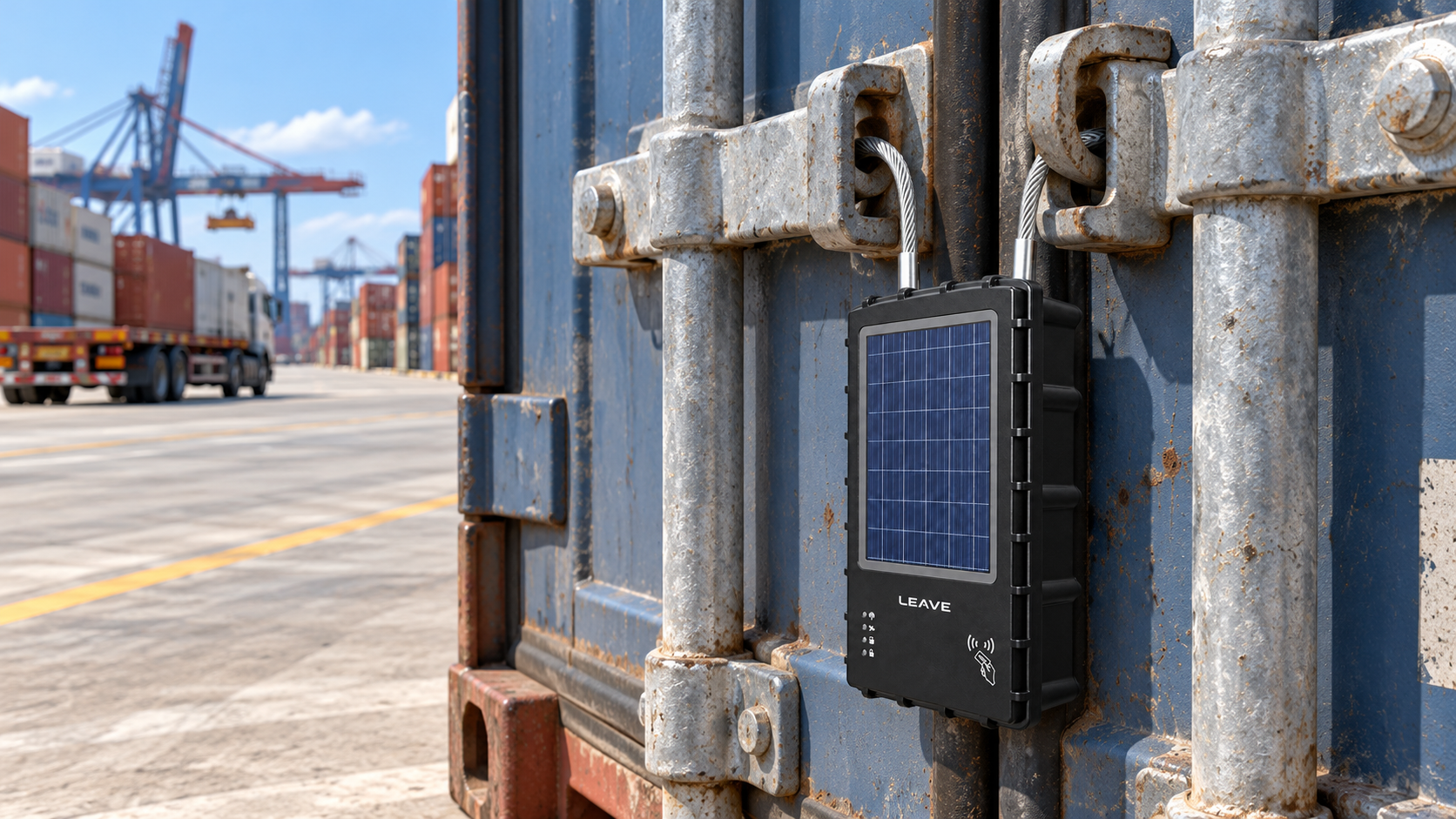
LEAVE LV-L02 combines a rechargeable battery with auxiliary solar charging and supports GPS/BeiDou positioning, cable-cut and low-battery alerts. Solar assistance provides another option for outdoor transport and asset-monitoring deployments.
Its contribution depends on installation, sunlight and obstruction. Stacked containers, indoor storage or prolonged overcast weather still require battery checks and a charging plan. Decide where the unit will sit, the complete task duration, maintenance opportunities and how it will be recovered.
Make temporary inspections part of the operating procedure
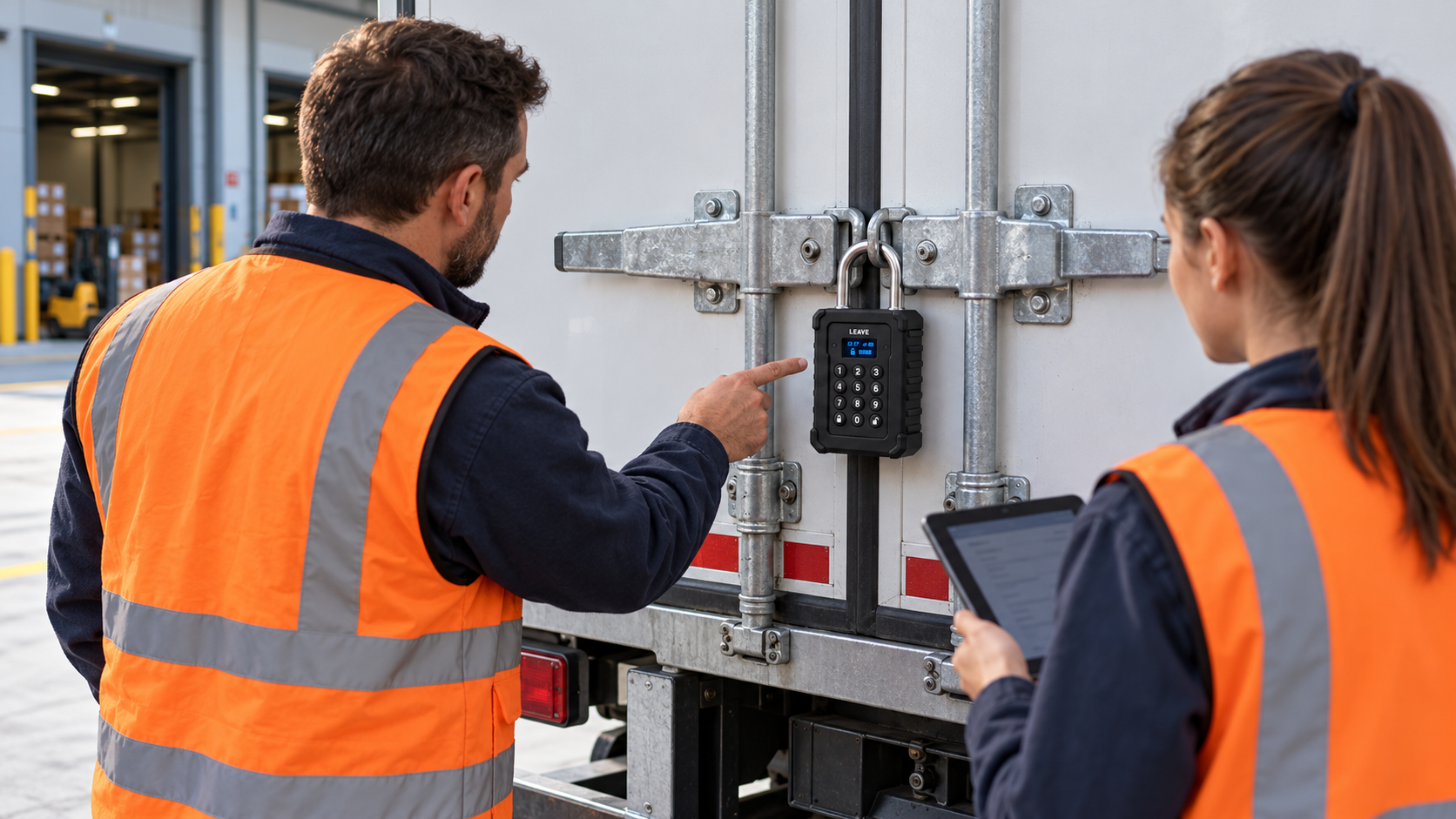
Unexpected inspections or revised handovers may be necessary. Define who requests access, verifies the task, approves the operation and uses a supported unlock method, together with how the work and resealing will be recorded.
For example, a shipment requires an inspection during destination road transport. Staff verify the task and site circumstances, arrange authorized access, retain the reason and handover material, and record resealing afterwards. The final receiver can then understand why that state change occurred.
A LEAVE project can organize position and ELock events by shipment and make relevant information available through configured permissions. A connection interruption, long stop, low battery and abnormal lock event should retain their different meanings and response states.
GPS ELocks add cargo-carrier-based information to a long transport chain. Combined with suitable power, connectivity and handover procedures, these records help teams focus their follow-up on the relevant stages.
Questions, answered
Will a GPS ELock stay online at sea?
Positioning is not satellite communication. The devices discussed use cellular data; connectivity depends on coverage and service. Offshore communication needs separate verification.
Does solar assistance eliminate charging?
No. Solar contribution depends on sunlight, obstruction and operating strategy. Battery inspection and maintenance remain necessary.
Can one cellular configuration work in every country?
Check the bands, operator service, SIM and roaming for the intended regions. Supporting 4G alone does not establish end-to-end coverage.