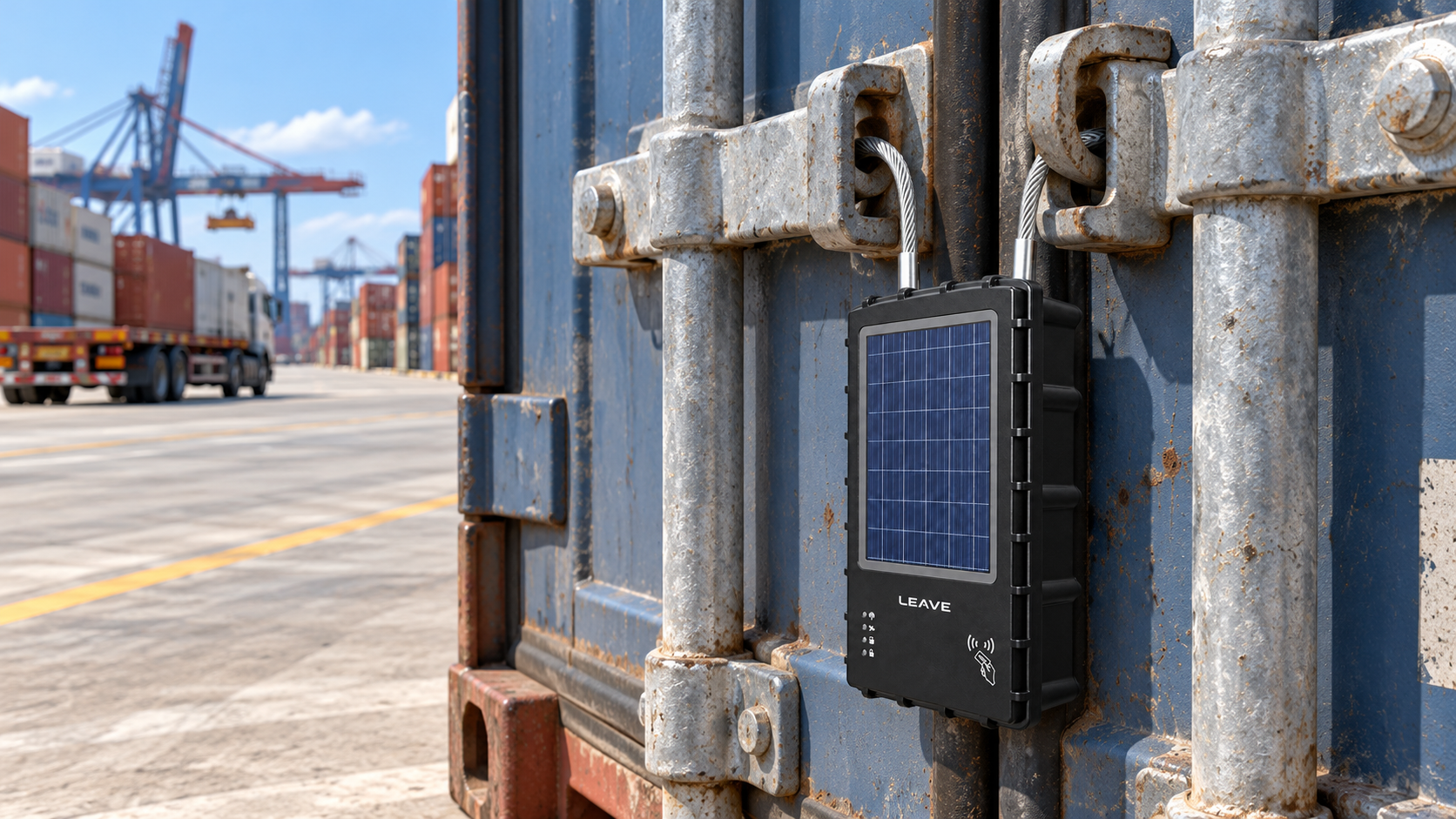
A truck is on route. Is the cargo secure? Where ELocks add visibility to transport monitoring
Vehicle tracking shows where a truck is, but does not by itself explain whether cargo was accessed or an unlock was authorized. Linking an electronic lock to the shipment, location and operation records extends visibility to the cargo handover process.
Scenarios describe typical workflows, not actual customer projects or measured customer results.
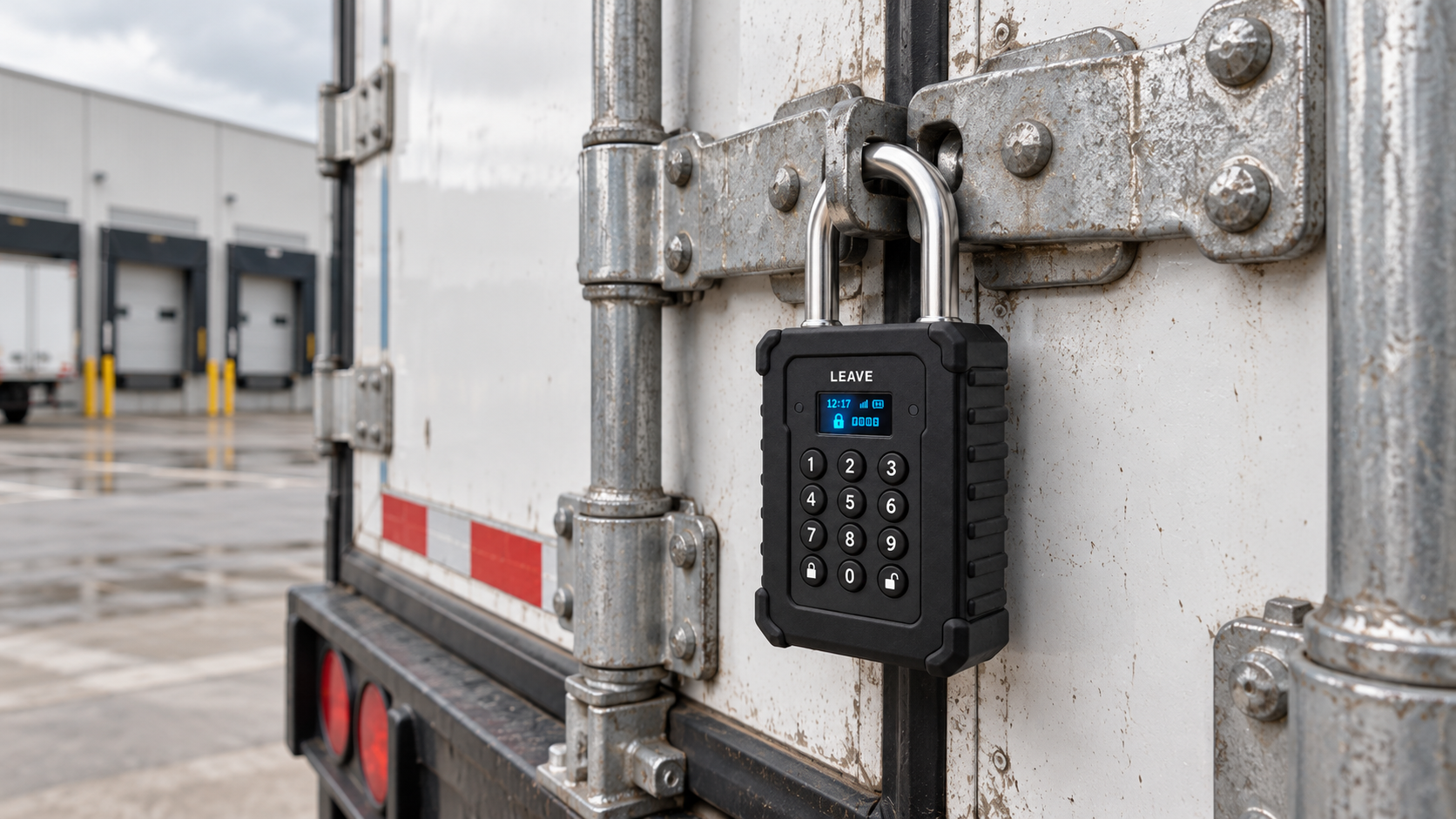
Three things to take away
- Review vehicle movement and cargo access together to understand the journey.
- Bind each shipment to its carrier and lock to establish a clear starting record.
- Assess lock events in their time, location and authorization context before responding.
Location answers only part of the security question
Checking a vehicle’s position is routine for transport managers. A route can help explain departure, stops and progress towards the destination. It is useful operational information, but it does not describe every interaction with the cargo.
Was the lock opened during a rest stop? Was cargo accessed before arrival? If a receiver reports a quantity difference, which records can the team review? An otherwise normal route cannot answer these questions on its own.
Location describes movement. Cargo security also involves the condition of an access point, permission to operate it and the handovers along the way. An ELock helps connect these field activities to the shipment record.
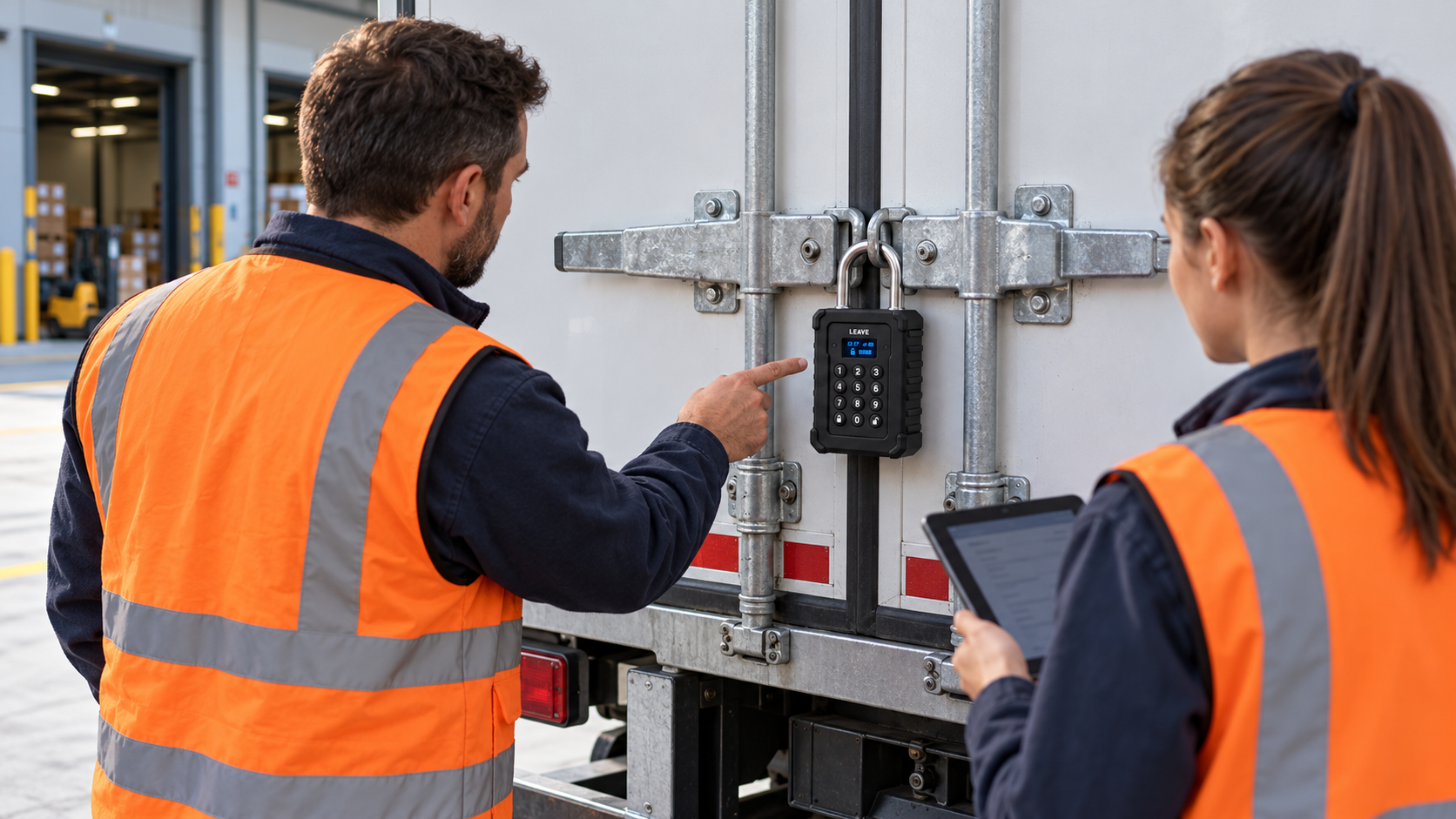
Shipment workflow
One shipment. A connected sealing history.
- Bind the taskConnect the waybill, carrier and lock
- Seal for departureConfirm closure and handover
- Review in transitCheck location and state changes
- Inspect on arrivalMatch the task before authorized operation
Create a sealing record for each shipment
Loading, locking and departure are often handled by different people. The warehouse finishes loading, the driver closes the doors and dispatch releases the vehicle. Each person may complete the job without creating a shared record that connects the steps.
With an electronic lock, capture the vehicle or container reference, waybill and device identity after loading. Confirm the lock is closed and associate sealing time and handover details with the task. Dispatch can then see which carrier, lock and departure record belong to that shipment.
Consider precision components moving from a factory to a regional distribution centre. Link the batch, vehicle and lock at dispatch; review relevant status changes during transport; match the receiving task and unlock at arrival. If questions arise, staff can follow one task history instead of searching separate chats and paper documents.
Turn device events into actionable shipment records
| Stage | Information to connect | Follow-up |
|---|---|---|
| Departure sealing | Waybill, carrier, lock and sealing confirmation | Check the binding before release |
| In-transit change | Event time, position and shipment plan | Verify the business reason |
| Event review | Authorization, field contact and available footage | Assign an owner and retain the outcome |
| Arrival unlocking | Receiving task, device identity and seal inspection | Complete the agreed handover |
Put a lock event back into its business context
An unlock does not automatically indicate a security incident. Unloading at the booked warehouse is normal, and a temporary inspection may also be legitimate. The question is whether the operation fits the shipment’s agreed arrangements.
A project workflow can review the event time and position alongside the active task, planned handover site and available authorization, operator and operating-method records. Stops, photographs or footage can provide additional context.
For example, a vehicle stops at an unplanned location before its receiving appointment and reports a lock-state change. Configured rules can place the event in a review queue. Dispatch contacts the site, checks the reason and records the response. If a separate video system is available, relevant footage can be linked: the lock provides the state-change signal, location supplies context and video helps explain the scene.
Give the team an earlier opportunity to investigate
When a discrepancy is first discovered at unloading, the investigation often depends on memory. Drivers explain stops, warehouses retrieve handover documents and carriers contact the people involved. Connected lock records can provide an opportunity to notice and investigate relevant changes during the journey.
A LEAVE cargo-security project can organize information around the task, location, lock state and operating record. LV-L01 supports positioning, lock-state detection, platform-network operation, a Bluetooth app and keypad passwords, providing options for different field conditions.
Start with concrete operating questions: which shipments need closer monitoring, where are handovers allowed, which changes need follow-up and who owns the response? Clear rules turn a device on the cargo doors into part of the transport workflow.
Questions, answered
Is an ELock useful when the vehicle already has tracking?
It can add sealing and access-operation information when those are required. Assess the cargo, journey and handover requirements before deploying.
Does a closed lock prove that the cargo is intact?
No. Review loading, inspection, quantity and receiving records as well as lock state.
Does the lock need an integrated camera?
This workflow does not assume an integrated camera. A project can link a separate video system or field-uploaded materials where needed.