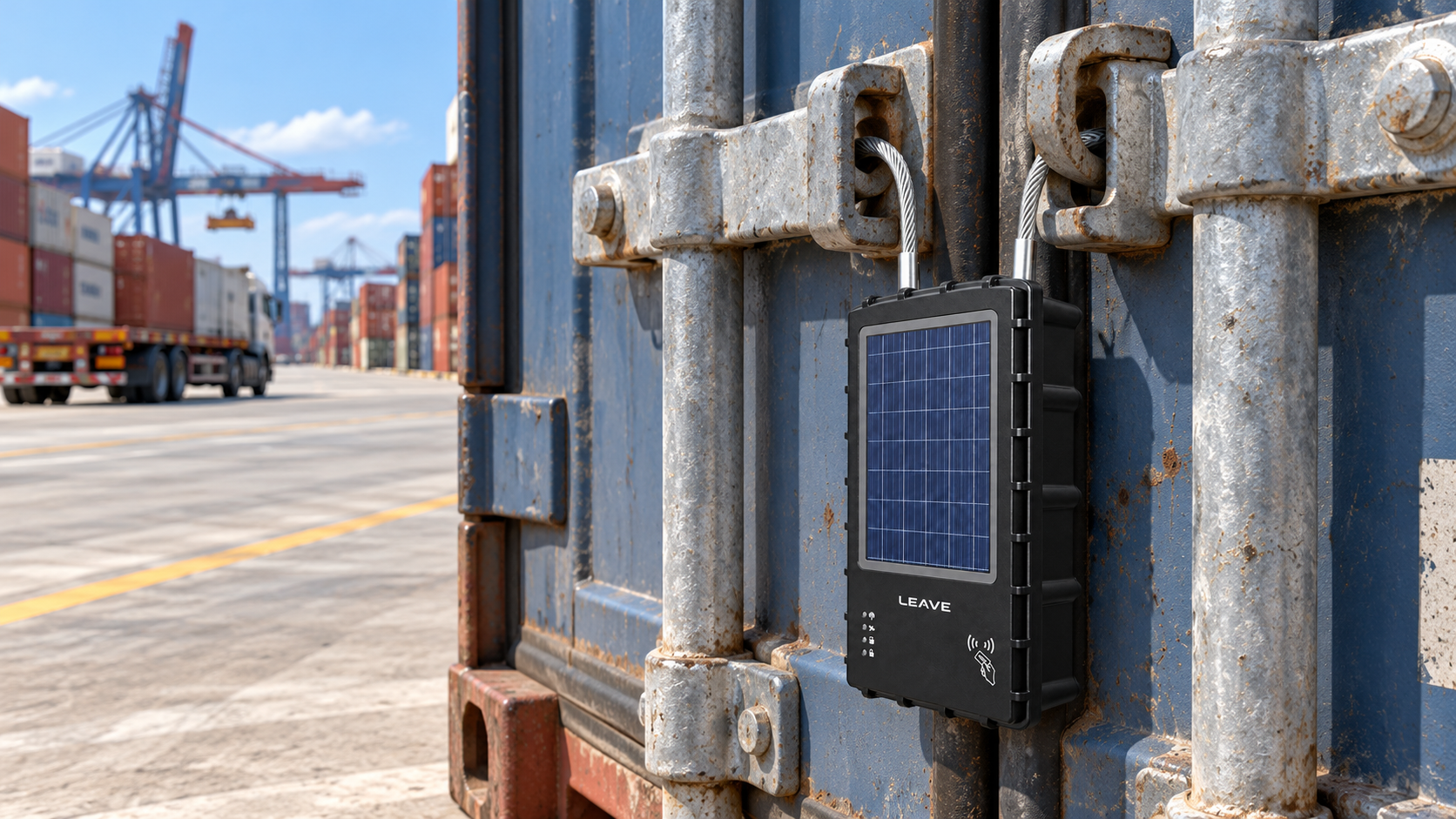
Who handled the cargo, and when? Build a traceable handover record with ELocks
More transport stages and participants make discrepancies harder to investigate. Connecting sealing, arrival inspection and unlock records gives cargo owners, carriers and warehouses a shared timeline for reviewing what happened.
The warehouse-transfer example illustrates a typical process, not a named customer or measured project outcome.
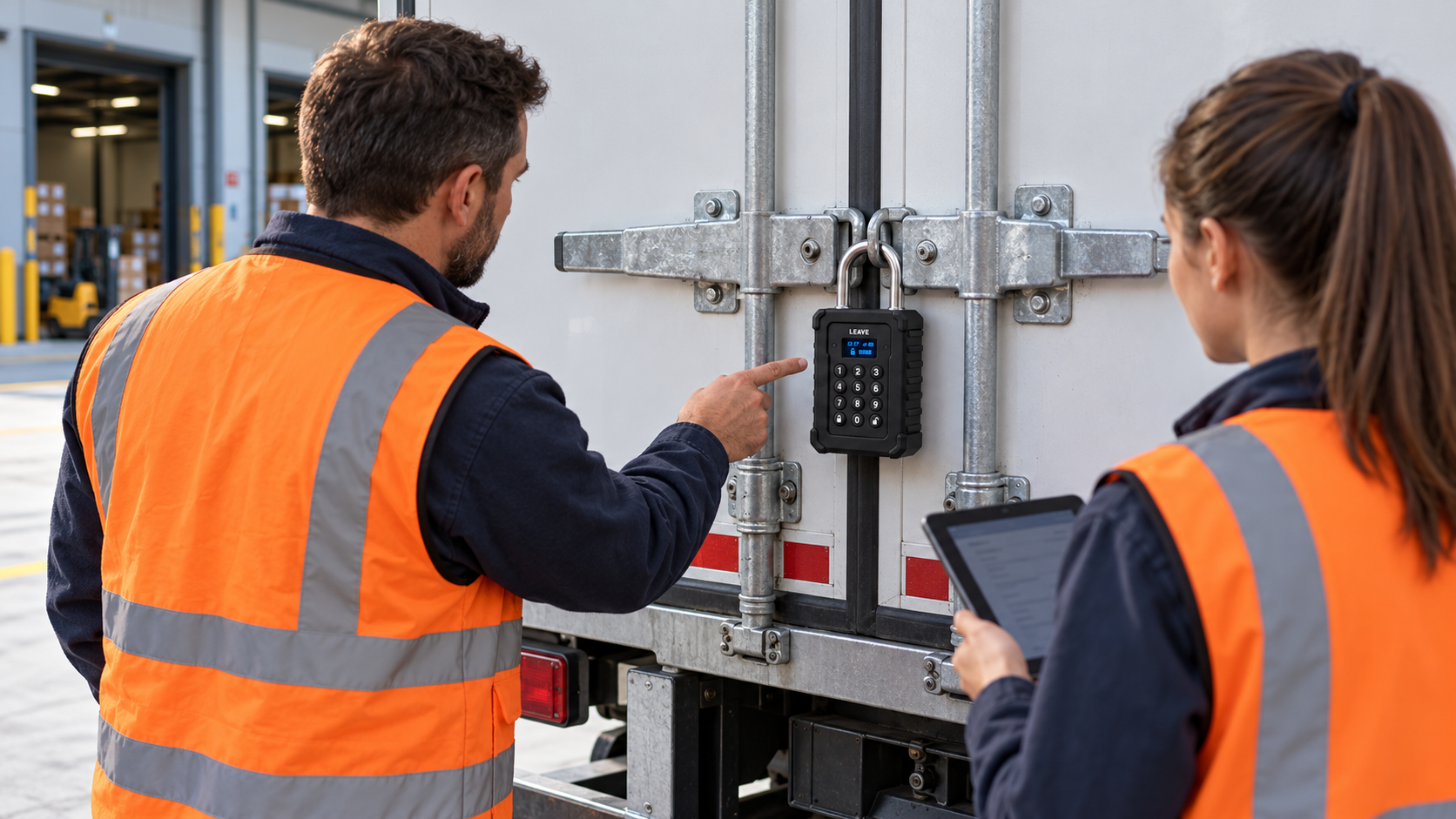
Three things to take away
- A handover should record the received sealing condition and the related cargo carrier.
- A legitimate temporary unlock needs a reason, approval information and a resealing record.
- Keep device events, business confirmations and field materials identifiable by source.
One shipment can pass through several teams
A shipment may move through linehaul, a transfer yard, temporary storage and final delivery. Vehicles, drivers or carriers can change along the way, and the participants may use different systems.
The dispatch warehouse records loaded quantities, the carrier reports progress, a transfer warehouse logs arrival and the receiver keeps proof of delivery. Each record matters. A shortage, damaged package or delivery dispute still requires someone to join them together.
The gaps between records cause difficulty: was the seal checked at transfer, who requested a temporary unlock, which lock was used after resealing and when was a discrepancy first observed? ELocks can support a consistent way of recording these milestones.
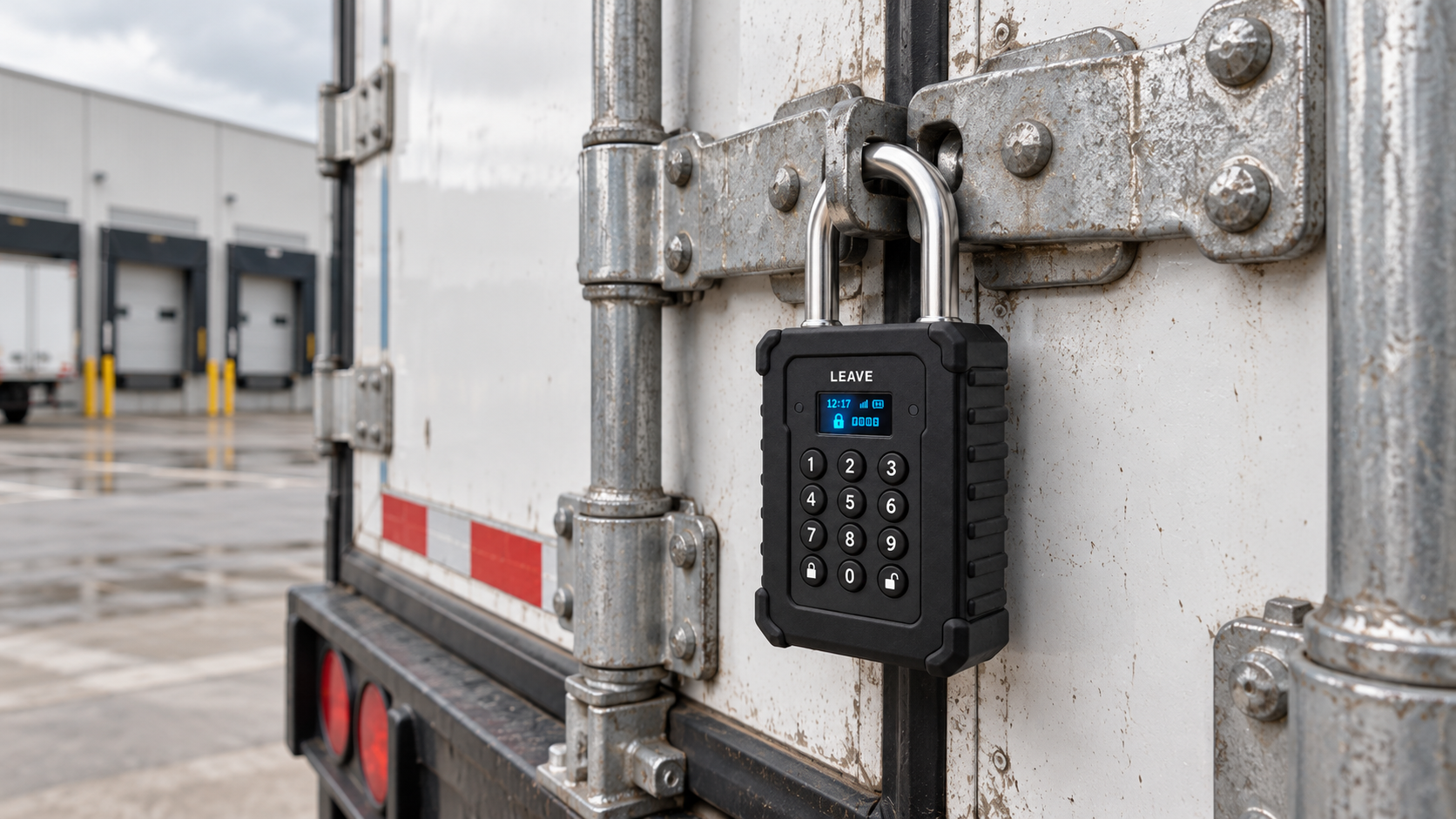
Handover workflow
Changing hands. Keeping the record connected.
- Dispatch warehouseBind and confirm sealing
- Transfer yardVerify carrier and sealed state
- Temporary inspectionRecord approval and resealing
- Receiving warehouseInspect, unlock and accept
Record the condition being handed over
In addition to quantity and a signature, a handover can capture sealing condition. At factory departure, match the waybill, container and lock. At transfer, verify the device reference and closed state. At the destination, inspect the seal and arrange authorized operation against the receiving task.
If a transfer does not require cargo access, confirm the existing sealed condition and record the change of custody. If unloading, inspection or reloading requires access, retain the reason, operation details and subsequent resealing record.
The parties can then identify when the transfer occurred, the condition of the carrier at receipt and who takes the next action. Keep device reports separate from business confirmations: a status message alone should not mark a handover complete.
Records to retain at each handover
| Milestone | What to verify | Record sources |
|---|---|---|
| Factory departure | Waybill, container, device and sealed state | Loading confirmation, device events and field notes |
| Sealed transfer | Device identity, lock state and vehicle change | Device report and both parties’ confirmation |
| Inspection and resealing | Reason, approval and new sealed state | Authorization, operating events and field materials |
| Final receiving | Arrival, seal inspection, unlocking and acceptance | Receiver confirmation and inspection record |
A warehouse-transfer scenario: review before assigning action
Consider high-value goods moving from a production warehouse to a regional depot, with a vehicle change at a transfer yard. At departure, connect the waybill, container and ELock, together with sealing confirmation and field handover information.
If only the tractor changes and the container remains closed, check the lock state and record the vehicle change. If access is required, record the reason and approval, then confirm resealing after the work. At the regional depot, match arrival information and the sealing history to the receiving task before opening and inspecting.
If the receiver reports a quantity difference, the manager can first review the shipment’s sealing and unlock timeline, identify stages requiring investigation and request the relevant materials. This narrows the inquiry and gives the parties a common information base.
Connect operating events with business records
A list of timestamps is rarely enough. A lock opened at a particular time describes a device event. An inspection requested and approved at a transfer site, followed by opening and resealing, explains the business activity.
A LEAVE project can configure fields and workflows that connect device records with waybills, approvals, photographs, footage and receiving results. Preserve the distinction between information returned by the device and information entered by staff.
The timeline can also reveal recurring missing entries, frequent temporary unlocks or steps that need a better procedure. When a discrepancy occurs, the parties can discuss the specific missing record, location to check and person responsible for the next action.
ELock records provide investigation leads. Cargo quantity, condition and final responsibility still depend on receiving checks, agreements and other material. A durable handover process makes those records easier to retrieve and follow up.
Questions, answered
Does a vehicle change always require unlocking?
No. If only the tractor changes and the container stays closed, verify the existing sealed state and record the carrier change, following site requirements.
Can an ELock record determine responsibility on its own?
It supplies timing, state and operation information. Review loading, receiving, agreements and other relevant material as well.
What if handover information is incomplete?
Retain the original records, identify missing items and request further checks. Missing material should not automatically become a finding against one party.